- Cruises
- Northern Lights


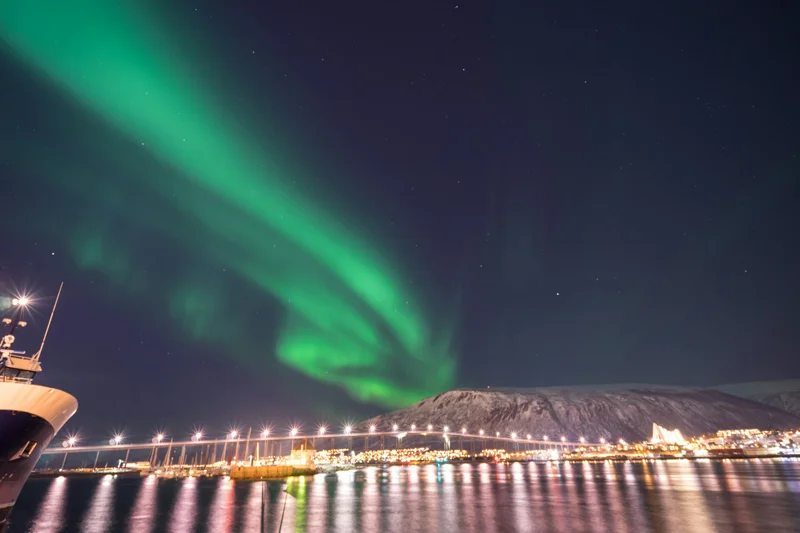
Plan your Northern Lights cruise
Northern Lights Cruises are all about giving yourself the best chance of seeing the Aurora Borealis while enjoying a proper holiday at the same time. You get dark skies, open horizons and the kind of quiet nights at sea where you can step outside, look up and hopefully catch that first ripple of green.
The honest bit is that nobody can promise the Northern Lights on a specific night. They are a natural phenomenon and they depend on solar activity, weather and cloud cover. What a good cruise itinerary does is put you in the right region, at the right time of year, for long enough to make your odds as strong as possible.
At Total Holidays we help people pick the right style of trip, whether that is a coastal Norway voyage with lots of ports, an expedition cruise that pushes further north, or a fly-cruise to Iceland with a few nights built in around Reykjavík.
Quick advice before you book
- Choose a sailing in the main Aurora season, then aim for as many dark nights as you can
- Look for itineraries that spend time above the Arctic Circle, not just a quick stop
- Consider ship size and route, smaller ships can reach smaller ports and sheltered coastlines
- Pack for the deck, it is the best seat in the house when the sky lights up
Best time of year for the Aurora Borealis
For most people, the sweet spot is late autumn through to early spring, when nights are long and the skies are properly dark. You do not need freezing temperatures for the Northern Lights, but you do need darkness.
September to November
Early season sailings can be a great balance. Nights are returning, destinations are still fairly accessible, and you sometimes get calmer seas than deep winter. It is also a lovely time for coastal Norway, with crisp air and fewer crowds in port.
December to February
This is peak winter, which often means the longest nights and a proper Arctic feel. The trade-off is that weather can be changeable, and daylight hours are short. If you like cosy ship evenings, winter scenery and festive sailings, this is a brilliant time to go.
March to early April
Late season can be a favourite. You still have long, dark nights, but you may also get a bit more daylight for exploring. Snowy landscapes are often still in place in Northern Norway, and the days begin to feel brighter without losing the Aurora opportunities.
A quick word on “guarantees”
Some operators offer Aurora “promise” style policies on selected voyages, usually meaning a second chance if conditions prevent a sighting. The detail matters, so if this is important to you, we will always talk you through what is and is not covered.
Where to go on Northern Lights cruises
There are a few classic regions that consistently deliver strong Aurora chances. The best choice depends on how adventurous you want the itinerary to be, and whether you prefer lots of ports or more time at sea under dark skies.
Coastal Norway and the Arctic Circle
Northern Norway is the headline act for many travellers. Places like Tromsø and Alta are well known for Aurora viewing, and coastal sailings give you multiple nights in the right latitude. If you like the idea of daily port calls, Norwegian scenery and a traditional voyage feel, this route is a strong option.
Popular styles include coastal voyages with operators such as Hurtigruten and Havila, and winter sailings from mainstream cruise lines that call at Northern ports. The key is choosing an itinerary that does not rush back south too quickly.
Iceland
Iceland can be fantastic for the Northern Lights, especially when itineraries include time in the north of the island or offer multiple nights around Reykjavík with day trips. It is also a great choice if you want dramatic landscapes, geysers and waterfalls alongside Aurora hunting.
Svalbard and expedition routes
If you want something more adventurous, expedition cruises can travel further north, with expert teams onboard and a strong focus on wildlife and nature. These sailings often appeal to travellers who are happy with a more active, outdoorsy style of cruise.
Scotland, Shetland and the Faroe Islands
It is less common, but some winter itineraries combine Northern Scotland, Shetland or the Faroes with Norway. These can be a lovely choice if you like shorter sailings and a mix of rugged coastlines and cosy ports.
Which route gives you the best odds?
In practice, longer itineraries in Northern Norway during the main season usually offer the best combination of dark nights and reliable geography. If you are flexible on dates, we can help you choose the sailing that gives you the most “Aurora time” without overcomplicating the trip.
Cruise lines to consider
There is no single “best” operator for everyone. It depends on whether you want a traditional cruise ship with lots of onboard facilities, or a smaller vessel that focuses more on the destination.
Coastal specialists
Hurtigruten and Havila are two names that come up a lot for Northern Norway, especially for travellers who like the idea of a coastal voyage with frequent port calls. These trips can feel immersive, with the coastline always close and the route built around the region rather than a “one port and back” schedule.
Smaller ship and expedition style
If you are drawn to expert-led experiences, operators such as HX (Hurtigruten Expeditions), Ponant and Silversea often run itineraries that are more nature-focused. These can be brilliant if you enjoy learning about the places you visit, with photographers and expedition teams onboard.
Mainstream cruise lines
Mainstream cruise lines can offer good value and plenty of onboard choice, especially for longer voyages that include Norway or Iceland. Depending on the season, you may see itineraries from lines such as MSC Cruises, Princess Cruises, Celebrity Cruises and Norwegian Cruise Line.
UK departure options
Some guests prefer sailing from the UK to avoid flying. On selected itineraries, UK departure cruises can work well for Northern Lights hunting as you pick up extra nights at sea on the way north. If you like this style of trip, you might also enjoy Fred Olsen Cruises, which often appeal to travellers who prefer a smaller ship feel.
What to pack and how to prepare
The biggest difference between a summer cruise and an Aurora sailing is how you dress for time outside. If the lights appear, you will want to stay on deck as long as you can.
Clothing
- Warm base layers, a fleece and a proper insulated coat
- Gloves and a hat you can pull down over your ears
- Waterproof outer layer, weather can change quickly at sea
- Good socks and boots with grip for icy decks and ports
Camera tips
Aurora photos are much easier with a phone that has night mode or a camera that can handle low light. A small tripod helps, and it is worth practising a few settings before you travel so you are not fumbling around in the cold.
Onboard routines that help
Many ships run an Aurora alert system, so you can head outside if activity starts. We always suggest choosing a cabin that suits your sleep habits. Some people like being close to the deck for quick access, while others prefer a quieter spot and rely on the alert to wake them.
Realistic expectations
The best nights can be subtle at first, a pale green glow that builds into brighter movement. Give your eyes time to adjust, and do not assume you have “missed it” if it is not instantly vivid. Patience is part of the fun on these trips.
Our advice when choosing the right sailing
When we help customers book Aurora trips, these are the questions we usually ask. They sound simple, but they make a big difference to whether the cruise feels perfect for you.
1) Do you want ports or sea days?
If you love exploring, choose an itinerary with frequent calls in Northern Norway or Iceland. If your priority is dark skies and time outside at night, a voyage with more sea time can be a great fit, especially above the Arctic Circle.
2) How comfortable are you with winter conditions?
Winter cruises are magical, but weather can lead to itinerary adjustments. If you would rather minimise disruption, consider shoulder season dates such as October, November or March.
3) Do you want a smaller ship experience?
Smaller ships often feel more personal and can reach smaller ports. Larger ships bring more facilities and entertainment. Neither is better, it just depends on what makes your holiday enjoyable.
4) Are you open to a fly-cruise?
Flying to meet the ship can open up shorter itineraries focused purely on Aurora regions. UK departures can be brilliant too, particularly if you enjoy the slow transition into Arctic scenery as you sail north.
If you would like help narrowing it down, get in touch and tell us your ideal month, your budget range and whether you would rather focus on Norway, Iceland or an expedition style route. We will point you towards sailings that genuinely match what you want, without making it feel complicated.
More cruise inspiration
If you are planning a cruise holiday and still weighing up options, these pages are a good place to continue your research.
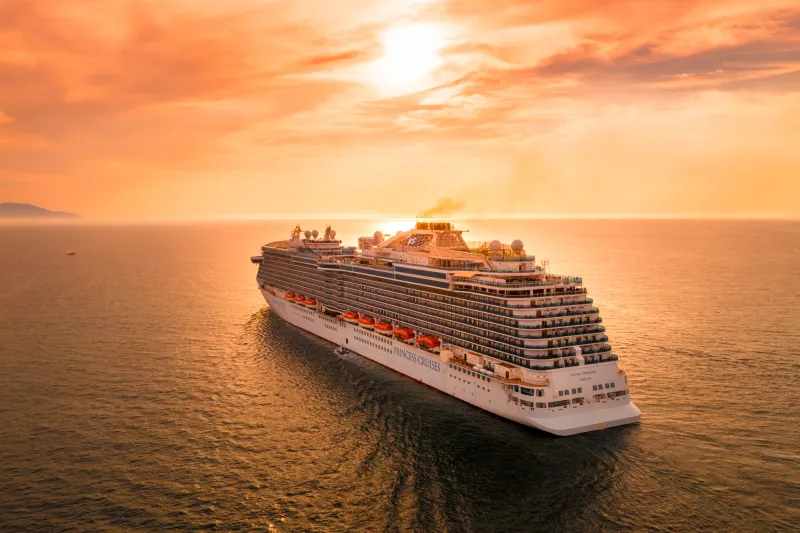
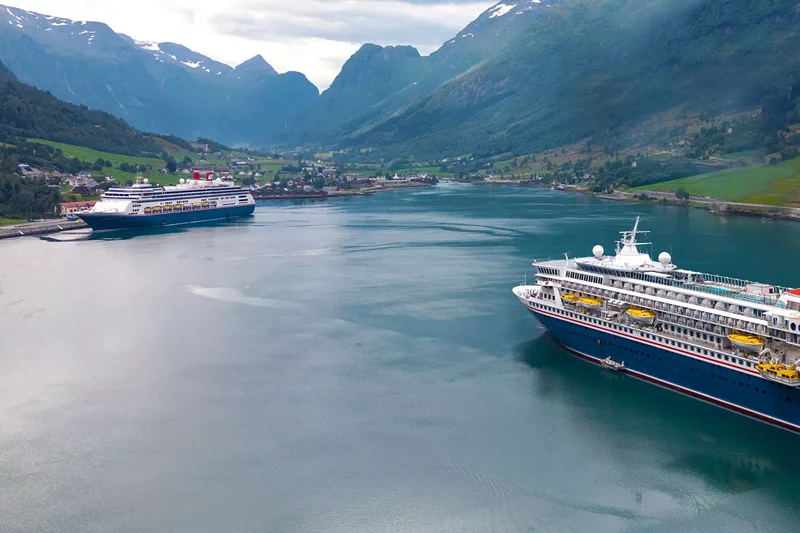
A relaxed cruise line that suits guests who enjoy scenic sailings and a traditional onboard feel.
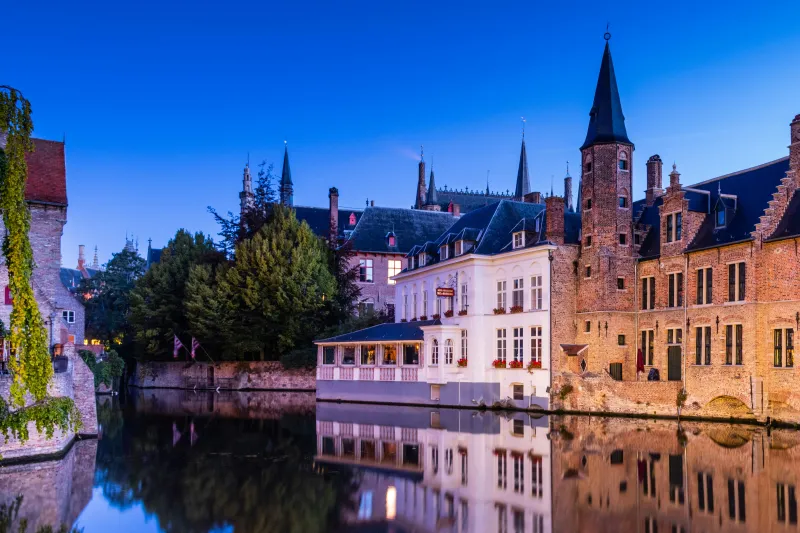

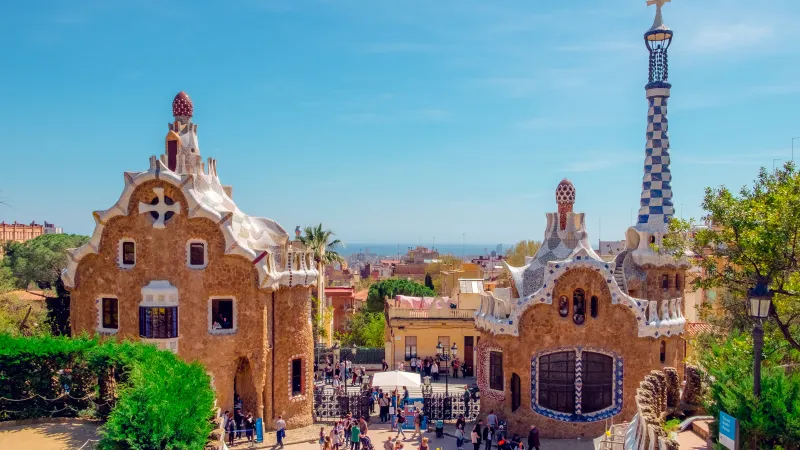
City Breaks
Explore architecture, culture, cuisine and shopping on a city break
Discover City Breaks